

In medical X-ray radiography and industrial flaw detection, the exposure hand switch is a frequently used yet easily overlooked core component. As the exclusive operating handle for operators to control the equipment, it also serves as a critical safeguard for radiation protection and safe exposure. Most exposure failures and equipment malfunctions are caused by worn hand switches or improper operation. Though it seems to work with a simple press, it adopts a professional two-stage control mechanism. This guide briefly explains the working principles, common faults and maintenance tips of X-ray exposure hand switches.
This hand switch is compatible with DR systems, portable X-ray machines and industrial flaw detectors. Its core function is to control equipment standby and X-ray exposure in two separate stages.
Different from ordinary switches, it features a two-stage design with instant power-off upon release. This structure effectively prevents accidental exposure, balancing operational convenience and radiation safety. Improper operation of the two stages is the leading cause of failed radiography.
Stage 1: Standby Mode for Equipment Preheating
Gently press to the first stage to activate equipment preheating. The X-ray tube filament and anode will enter standby status to get fully ready for exposure. The equipment cannot perform normal exposure if the first stage fails to respond.
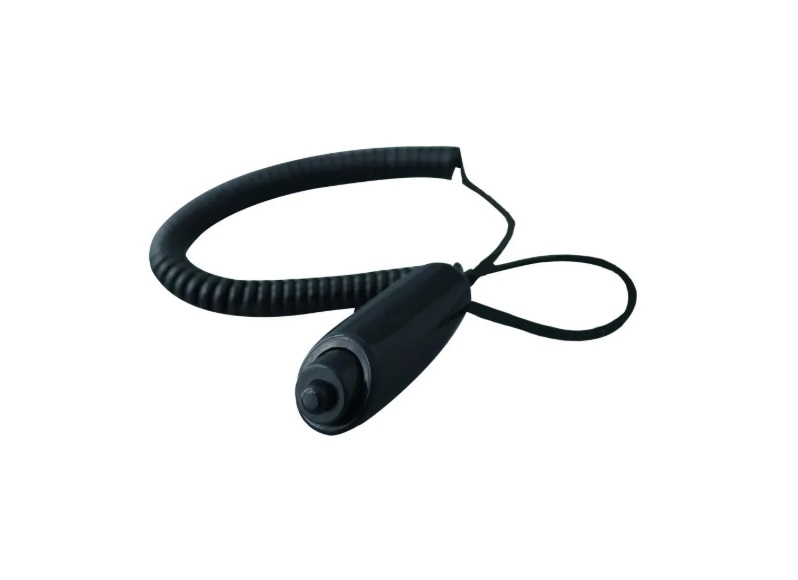
Stage 2: X-Ray Emission for Imaging
Keep holding the first stage and press further to the second stage to trigger high-voltage exposure and complete imaging. Important note: Keep the switch pressed during the entire exposure process. Releasing it midway will immediately stop exposure, resulting in incomplete images and invalid radiographs.
Customized for heavy-duty working conditions, the X-ray exposure hand switch is built to withstand frequent pressing and repeated cable bending, with the following advantages:
Accurate Gear Control: Equipped with high-quality micro switches to avoid gear shifting and jamming, preventing accidental exposure.
High Flexibility & Durability: Adopts tensile-resistant special cables that resist breakage after repeated bending.
Dustproof & Moistureproof: Fully sealed housing protects internal contacts from oxidation and short circuits.
Instant Stop Function: Cuts off power and terminates exposure right after release, providing reliable radiation protection.
As a wearable part, the hand switch is prone to malfunctions after long-term frequent use. You can troubleshoot common issues quickly as follows:
No response at the first stage: Poor contact of first-stage contacts or broken cables, leading to failed equipment preheating.
Standby available but no exposure: Worn-out second-stage contacts fail to activate high-voltage exposure.
Intermittent exposure: Loose buttons or poor cable connection causes unstable power supply.
Automatic exposure and failure to reset: Stuck contacts. This is a high-risk fault, and the switch must be replaced immediately.
Standard daily maintenance can greatly reduce failure rates and extend the service life:
Operate gently. Avoid rough pressing or yanking the connecting cable.
Store properly after use. Prevent long-term bending or compression of the cable.
Keep the switch dry and clean to stop dust and moisture from damaging internal contacts.
Replace with a compatible model promptly once jamming or poor contact occurs. Never use faulty equipment.
Small as it is, the exposure hand switch dominates exposure control and radiation safety of X-ray devices. It guarantees stable imaging performance and safe operation for personnel.
Standardize operation, conduct regular inspections and replace defective parts in a timely manner. These practices help improve radiography efficiency, cut down equipment maintenance costs and reinforce the safety barrier for all operators.
Post time: Jun-01-2026