

Mobile X‑ray stands greatly expand the application boundary of radiography. Unlike fixed radiography rooms with built‑in lead walls, mobile X‑ray equipment works in temporary spaces without standardized shielding. Improper radiation control will expose operators, patients and bystanders to scattered rays. A complete set of matched protection schemes is essential for safe on‑site imaging.
X‑ray radiation contains primary direct rays and secondary scattered rays. The primary beam is aimed at the imaging area, while scattered radiation spreads in all directions after penetrating the human body. Fixed lead‑lined walls can block most rays, but temporary working sites lack such permanent structures. The core idea of mobile protection is to isolate scattered radiation with portable shielding products, shorten exposure time and keep a safe distance.
Lead‑based shielding accessories are the most commonly matched supplies for mobile X‑ray stands. Mobile lead screens are the mainstream option. They are equipped with casters for easy movement and can be placed between the operator and the imaging area during shooting. The lead panel blocks most scattered rays and creates a temporary safe operating zone. Lead aprons, lead thyroid collars and lead gloves serve as personal protective gear. They are worn by patients or on‑site staff. For bedside and field radiography, partial lead shielding can cover non‑exposed body parts to reduce unnecessary radiation absorption. It should be noted that personal protective clothing only cuts down scattered radiation and cannot resist strong direct primary beams.
Reasonable operation rules are as important as physical shielding. Operators should stay at least two meters away from the X‑ray emission direction during exposure. If space permits, choose corners or sheltered positions behind portable lead screens. Keep the exposure time as short as possible and set proper technical parameters to avoid repeated retakes caused by poor‑quality images.
Many users hold two typical misunderstandings. The first one believes that low‑power mobile X‑ray machines produce negligible radiation and no shielding is required. In fact, cumulative scattered radiation still causes potential harm after long‑term repeated use. The second mistake is relying entirely on protective clothing while ignoring distance and temporary barriers. Personal gear is the last line of defense rather than the primary solution.
When selecting supporting protection products, buyers need to match shielding thickness with the machine tube voltage. Devices with higher kV output require lead shields of greater equivalent thickness. Light‑weight portable shields are more suitable for frequent outdoor transfers, while large rolling lead screens fit relatively stable temporary diagnosis sites.
In summary, mobile X‑ray stands cannot rely on building‑integrated radiation barriers. A qualified supporting protection system combines mobile lead shielding equipment, standardized personal protective articles and scientific operating specifications. Enterprises and medical teams should formulate targeted protection plans according to working scenarios and machine parameters, so as to give full play to the mobility advantages of mobile radiographic equipment while controlling radiation risks.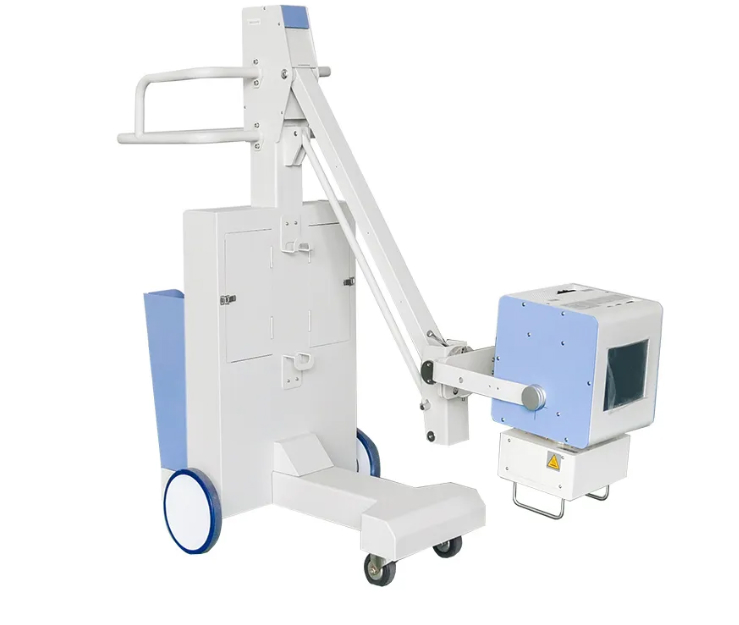
Post time: Sep-04-2026