

Portable handheld veterinary X-ray machines have revolutionized small animal diagnosis, bringing reliable radiographic imaging out of fixed examination rooms and directly to pets. For vet clinics, mobile veterinary services and animal shelters, this compact imaging device solves many pain points of traditional fixed X-ray systems, especially for cats, dogs and other companion animals that struggle with long-distance transport or stressful environment transfers.
The core working principle of the handheld veterinary X-ray unit follows the basic theory of X-ray generation. When the device is powered on, high voltage is applied to the X-ray tube inside the handheld generator. The cathode filament heats up and releases electrons, which are accelerated at high speed toward the anode target under the action of high voltage. When these high-energy electrons strike the metal target, X-rays are produced. X-rays have different penetration capacities when passing through animal tissues: bones absorb more rays and appear white on the final image, while soft tissues like muscle, skin and internal organs absorb fewer rays and show different gray shades. This contrast forms the radiographic image for veterinarians to observe fractures, foreign bodies, organ abnormalities and other lesions.
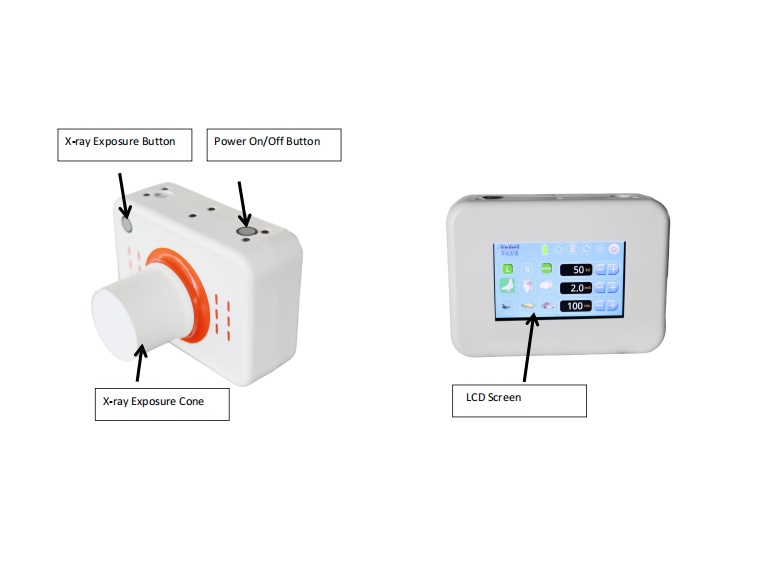
Unlike large fixed X-ray equipment installed in dedicated radiographic rooms, handheld veterinary X-ray machines adopt a high-frequency miniaturized X-ray tube and lightweight high-voltage module. The whole machine is designed to be held by one hand, greatly reducing volume and weight. Many models support battery power supply, which removes the restriction of fixed power sockets. This structural redesign makes it possible to carry the imaging device to the examination table directly, instead of moving nervous pets to a special X-ray room. This is one of the most prominent practical advantages for small animal diagnosis.
Radiation safety is the top concern for every veterinary practitioner using handheld X-ray equipment. Qualified handheld veterinary X-ray units are built with integrated shielding structure to limit stray radiation. Operators still need to wear lead protective aprons and lead gloves during operation, and maintain a safe distance as required. Most modern machines also support low-dose exposure modes specifically optimized for small animals. Lower radiation output can obtain clear enough images while minimizing radiation exposure risk for pets and veterinary staff. This balance between imaging quality and radiation safety is a key indicator when veterinarians select handheld X-ray devices.
In daily small animal clinical work, this portable device brings huge practical value. For pets with fractures, severe trauma or critical illness, moving them to a fixed X-ray room may worsen pain or injury. With a handheld veterinary X-ray machine, vets can complete radiographic examination on the spot. It is also very helpful for pets with severe anxiety. Many cats and small dogs will panic in unfamiliar enclosed rooms, which may lead to failed shooting or blurred images. On-site examination reduces stress responses and improves the success rate of image capture. Besides fracture inspection, it can be used to detect swallowed foreign objects, check lung conditions, evaluate joint diseases and assist preoperative assessment.
There are also some key operational tips for better imaging results. Operators should properly adjust kV and mAs parameters according to the pet’s body thickness. Smaller pets need lower exposure parameters to avoid overexposure. Align the X-ray tube accurately with the target area, and keep the animal stable during exposure. It is commonly matched with a digital flat panel DR detector. After exposure, the image will be transmitted to the computer or tablet in seconds. Veterinarians can view, zoom and store the digital image immediately, without waiting for film development. The combination of handheld generator and DR detector forms a complete mobile digital radiography solution.
When comparing handheld veterinary X-ray machines with fixed X-ray systems, each has its own applicable scenarios. Fixed X-ray machines deliver higher maximum power and are more suitable for large-volume, high-frequency imaging work in big hospitals. Handheld units cannot reach the same power level, but they win in flexibility and mobility. For small animal clinics, mobile vet services and field emergency diagnosis, handheld veterinary X-ray equipment is a cost-effective supplement or even the primary imaging tool. It cuts the cost of building a dedicated radiographic room and lowers the threshold for small vet practices to deploy digital X-ray diagnosis.
As mobile veterinary services keep growing worldwide, the demand for lightweight, easy-to-operate handheld veterinary X-ray equipment continues to rise. A reliable portable handheld veterinary X-ray machine provides fast, clear radiographic results for small animal diagnosis. It helps veterinarians make faster and more accurate diagnosis, reduce stress for sick pets, and improve the overall efficiency of veterinary care. Choosing a device with stable output, reliable radiation shielding and adjustable exposure parameters will bring long-term benefits to small animal medical services.
Post time: Sep-17-2026