

When you get an X-ray, chest radiograph or orthopedic scan at the hospital, you can always receive clear digital images in minutes. Most people only know DR systems deliver sharp images with fast output, yet few realize the core “heart” of the entire imaging system is an unassuming precision component — the medical Flat Panel Detector (FPD). Replacing traditional film and old imaging plates, it fully ushered in the digital era of medical X-ray imaging. Without this device, fast, low-dose and high-precision modern diagnostic radiology would not exist. Today we break down this hidden high-tech imaging core inside medical equipment.
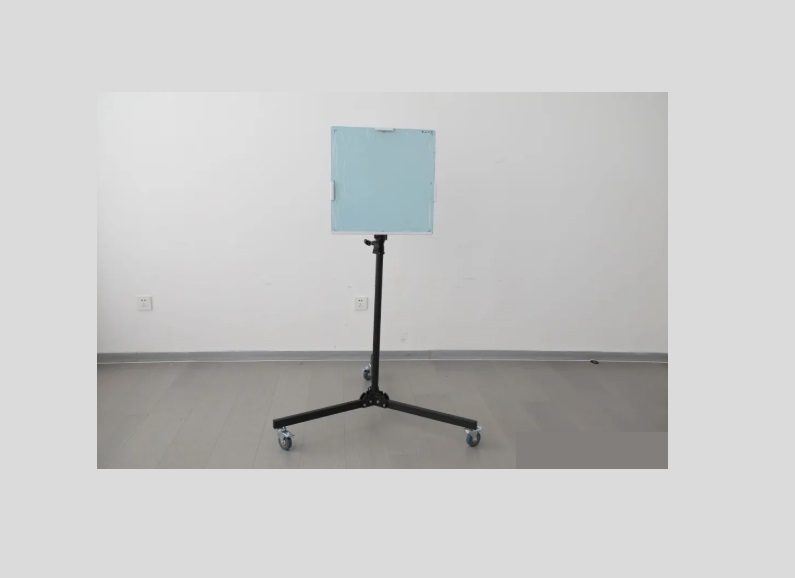
Simply put, a medical flat panel detector is a precision core device that converts X-ray signals into digital image data. It serves as the fundamental imaging component for DR systems, mobile DR units, C-arms, dental X-ray machines and other radiology equipment.
Unlike traditional film that requires chemical processing and long waiting times, flat panel detectors act as high-speed “image translators”. They instantly capture X-rays passing through the human body and convert them into high-definition digital images within seconds. No consumables or developing procedures are required; images can be previewed, archived and transmitted right after exposure.
Featuring a slim, flat form factor and highly integrated electronic chip architecture, these detectors balance portability and imaging accuracy. They fit seamlessly into all clinical environments, including outpatient clinics, emergency rooms, operating theaters and bedside ward examinations.
Many people wonder how such a thin panel can accurately display subtle differences in human bones and soft tissues. Based on imaging mechanisms, medical flat panel detectors fall into two main categories: indirect conversion and direct conversion, each with unique strengths and targeted applications.
Indirect Conversion Flat Panel Detectors (Mainstream Cost-Effective Model)
This detector adopts a precise multi-layer “sandwich” internal structure that relies on scintillator materials for imaging. Common gadolinium oxysulfide and cesium iodide crystal scintillators first convert X-rays penetrating the human body into visible light. Photodiodes then turn light signals into electrical signals, which are processed by built-in chips to generate high-resolution digital radiographs.
With fast imaging speed, stable performance and competitive pricing, indirect conversion detectors are the mainstream choice for routine hospital radiography and physical examination screenings, fully meeting the demands of daily clinical diagnosis.
Direct Conversion Flat Panel Detectors (High-End High-Precision Model)
Direct conversion detectors skip the light conversion step and transform X-ray photons directly into electrical signals. This eliminates signal loss and image blurring to the maximum extent. Boasting ultra-high spatial resolution, they capture tiny lesions, micro-fractures and subtle density variations in dense tissues, delivering far superior imaging precision compared to indirect models.
They are widely deployed for high-end medical scenarios including precise orthopedic diagnosis, interventional procedures and complex case screening, acting as a cornerstone of precision medicine.
Compared with traditional film radiography and CR technology, flat panel detectors represent more than just equipment upgrades — they deliver comprehensive improvements in diagnostic efficiency and radiation safety.
1. Lower Radiation Exposure for Better Safety of Patients and Staff
Flat panel detectors feature high Detective Quantum Efficiency (DQE), meaning they utilize X-ray energy far more efficiently. They produce crisp diagnostic images while drastically cutting radiation doses for patients. This makes them ideal for children, elderly patients, pregnant women and patients requiring repeated follow-up scans, reducing radiation-related health risks. They also lower occupational radiation exposure for radiology staff.
2. Instant Imaging to Eliminate Long Waiting Times
Traditional film radiography requires 10+ minutes for developing and drying; CR systems also need extra scanning steps to read images. Flat panel detectors generate real-time images instantly after exposure, allowing radiologists to review scans right away. This drastically boosts outpatient throughput and enables rapid diagnosis for emergency trauma and acute illnesses, saving critical time for patient treatment.
3. Ultra-High Definition Imaging + Digital Archiving for Accurate, Traceable Diagnoses
High pixel density delivers exceptional spatial resolution, clearly revealing micro-fractures, tiny nodules and soft tissue lesions that are invisible to conventional imaging. This helps clinicians make accurate judgments and lower misdiagnosis and missed diagnosis rates.
All images are stored in pure digital format, supporting instant zoom, adjustment, review and remote transmission. Compatible with hospital PACS systems, they enable permanent case archiving and telemedicine consultations, completely solving the drawbacks of physical film such as loss, wear and difficult storage.
Beyond routine physical check radiography, compact flat panel detectors support full-scenario clinical diagnosis across all medical institutions:
General Radiology Departments: Screening and diagnosis of chest films, limb bones, spine and pelvic imaging
Emergency & Operating Rooms: Bedside mobile DR scans and intraoperative real-time fluoroscopy for bedridden or severely injured immobile patients
Orthopedic Specialties: Precise detection of micro-fractures, joint lesions and post-surgical reduction outcomes
Interventional Surgeries: High-definition real-time imaging to guide surgeons and improve procedural safety
Primary Medical Facilities & Physical Examination Centers: Stable, low-maintenance equipment for high-volume mass screening
Medical flat panel detectors keep evolving alongside advancing radiology technology. Wired panels have been upgraded to wireless flat panel detectors, removing cable restrictions for greater mobility and wider application scenarios. Multiple standard sizes are now available to fit imaging needs for adults, pediatric patients and dental examinations.
Post time: Jun-24-2026