

 +86 17616362240
 aide@newheekxray.com
Portable X‑ray devices have long been stereotyped as bulky installations confined to dedicated hospital radiology suites. Traditional fixed‑site DR systems demand specially shielded rooms, permanent power supplies and stationary layouts. Bedridden elderly patients cannot be transported easily, health screening in remote villages faces huge obstacles, on‑site emergency treatment lacks immediate radiographic support, and grassroots clinics suffer from insufficient imaging hardware. Numerous clinical scenarios are restricted by the immobility of conventional large‑scale DR equipment.
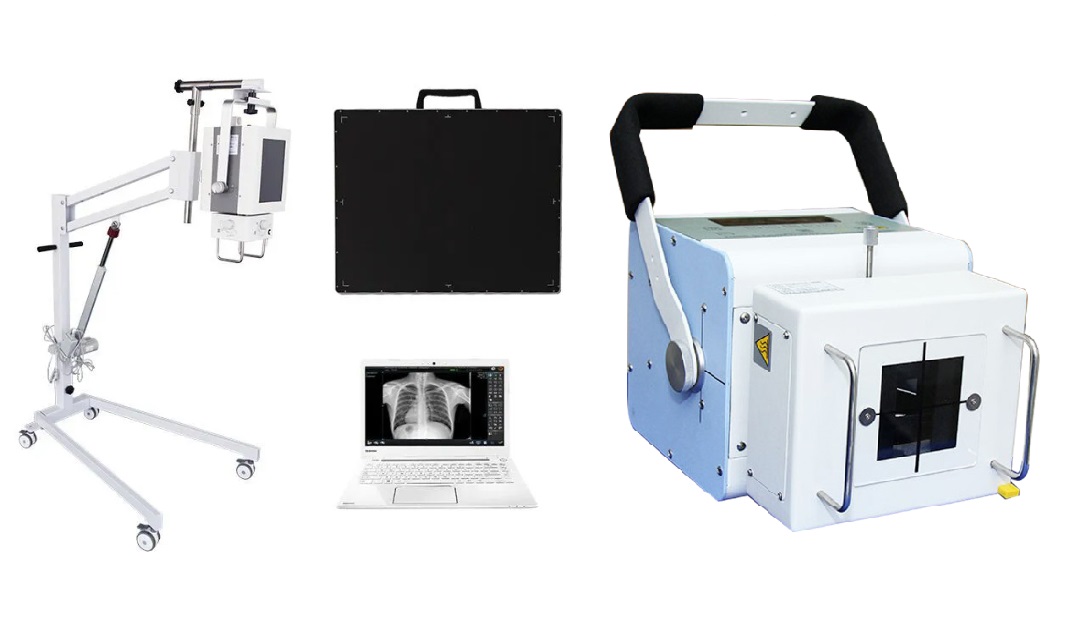
A cutting‑edge medical innovation has broken these spatial limits and reshaped the landscape of mobile diagnostic imaging — the portable direct digital radiography system, commonly known as portable DR. It is not a simplified downgrade of stationary hospital machinery. Instead, it represents a new‑generation mobile imaging solution featuring light weight, digitalised operation and reliable precision. It functions as a movable mini radiology department available for home visits and rural outreach programmes.
1. Definition Of Portable DR Redefining Mobile Diagnostic Imaging
Many buyers confuse portable DR with conventional hospital‑based DR systems. The core difference can be summarised in one simple comparison: traditional DR requires patients to travel to equipment, while portable DR brings diagnostic hardware straight to patients.
Fixed hospital DR units are heavy and space‑consuming. They rely on dedicated lead‑lined examination rooms and constant mains electricity, so patients must visit medical facilities for scans. By adopting streamlined mechanical structures and optimised technology, portable DR eliminates massive gantry frames. The whole unit is highly integrated and lightweight. A single medical worker can carry it without assistance and store it inside a car trunk. It enables on‑demand radiography anywhere at any time.
As a fully integrated digital imaging apparatus, it works independently of dedicated shielding chambers and grid power. A built‑in high‑capacity lithium battery supports stable outdoor operation. No complicated installation or commissioning is required. Users can power it up instantly and obtain diagnostic images in seconds. This technology takes X‑ray diagnosis outside hospital buildings, bringing professional imaging services to grassroots communities and emergency sites.
2. Four Core Merits Creating New Patterns Of Medical Services
Compared with classic imaging equipment, portable DR targets prominent pain points in primary healthcare, emergency rescue and public health screening, delivering remarkable practical advantages.
Ultra‑lightweight Design For Solo Operation
Unlike bulky traditional machines that need multiple handlers, the streamlined structure of portable DR removes redundant components. One clinician can complete transportation, setup and scanning independently. It cuts manpower costs for rural health campaigns and home‑based medical services and eases daily workloads for grassroots medical teams.
Site‑free Deployment For Versatile Usage
Specialised radiation‑proof rooms are no longer mandatory. Exterior yards, community squares, nursing home wards, accident sites and factory premises are all suitable scanning locations. Geographical and spatial barriers are removed, and diagnostic imaging reaches previously underserved populations.
High‑definition Rapid Imaging Ensuring Accurate Diagnosis
Advanced digital imaging technology replaces tedious film development. Clear digital radiographs are generated within seconds after exposure. Fine tissue details and accurate contrast allow practitioners to detect pulmonary lesions, bone fractures and nodules reliably. Its image quality matches that of large stationary DR units and fully meets clinical diagnosis and public screening standards. The device is also widely adopted in hospital emergency departments, ICUs and orthopaedic wards for bedside examinations. For critically ill or immobile patients, immediate on‑site imaging helps clinicians design treatment plans and perform surgeries promptly, greatly raising survival rates in urgent cases.
Low Radiation Output For Dual Safety Protection
Optimised low‑dose exposure technology preserves sharp imaging while significantly lowering radiation emission, complying with international safety specifications. Matching protective accessories safeguard both examinees and long‑term operators. The system is well suited to large‑scale regular population screening.
3. Wide Application Scenarios Delivering Services Where Needed
Portable DR fills major gaps in modern medical systems. Thanks to outstanding flexibility, it has become an indispensable tool across diverse high‑demand fields.
Grassroots Public Health Screening To Cover Remote Communities
Residents in towns and scattered rural settlements, especially the elderly and left‑behind groups, struggle with long trips for hospital checks. Mobile DR units accompany medical teams on village outreach for general health surveys, tuberculosis screening and senior check‑ups. Local residents receive professional X‑ray scans without travelling far, solving the shortage of imaging diagnosis in rural areas.
Home Medical Care For Confined Patients
For bedridden seniors, paralysed individuals and post‑operative patients with limited mobility, hospital transfers are no longer necessary. Medical teams carry portable DR equipment for home radiography to monitor recovery and review conditions, reducing suffering caused by long journeys and improving the quality of home‑based healthcare.
Emergency Rescue And Disaster Response To Save Precious Time
Conventional heavy‑duty imaging machines cannot arrive rapidly at accident or disaster zones. Portable DR can be deployed quickly to complete thoracic and skeletal imaging on site. It supports rapid injury assessment and precise treatment and wins critical time for emergency intervention.
Mass Health Checks At Factories And Campuses
The device can be transported to industrial plants, construction sites and schools for pre‑employment physical examinations and annual population monitoring. Fast setup and high scanning throughput handle large crowds efficiently and streamline group health management.
Bedside Hospital Auxiliary Diagnosis
Within medical institutions, portable DR serves ICU, emergency and orthopaedic departments. Bedside scans avoid moving severely ill patients and prevent deterioration during transfer. It supplies precise imaging evidence for timely diagnosis and targeted therapy.
4. Medical Empowerment Making Quality Diagnosis Universally Accessible
For a long time, fixed installation, site constraints and delayed services have been typical bottlenecks of grassroots and mobile healthcare. Residents in isolated regions and vulnerable patient groups lack sufficient imaging resources. Diseases often stay undetected in early stages and worsen over time.
The popularisation of portable DR establishes an innovative service model: equipment moves while patients stay in place. It brings hospital‑grade diagnostic imaging capacity to community‑level facilities and local residents. More than lightweight hardware, portable DR promotes balanced distribution of medical resources. It breaks geographical restrictions with reliable diagnostic technology and protects public health. Comprehensive disease screening is realised for every community.
Conclusion
The shift from permanent radiology suites to all‑terrain mobile services marks a major leap from passive treatment to proactive medical outreach. Technical upgrades of portable DR are not merely weight reduction of traditional equipment, but an overall transformation of healthcare philosophies. With continuous development of grassroots and intelligent medical systems, portable DR will become standard equipment for public health campaigns, community clinics and emergency rescue missions. It will keep supporting front‑line health services and protect the wellbeing of people worldwide.
Post time: Sep-01-2026