

As a precise device for controlling light, beam concentrators are quietly changing the face of modern medicine. It opens up new avenues for diagnosis and treatment by adjusting the intensity, wavelength, and direction of light. From imaging technology to surgical operations, the application of beam concentrators has penetrated into multiple fields of the medical industry, becoming an important tool for improving medical accuracy and safety.
In the field of medical imaging, the value of beamformers is particularly prominent. In traditional imaging equipment such as X-rays and CT scans, beam concentrators can accurately limit the radiation range and reduce unnecessary radiation exposure for patients. It is like an intelligent “gate” that only allows specific areas to receive illumination, which not only reduces health risks but also improves image clarity and contrast. For example, in digital X-ray photography, the beamformer automatically adjusts the size of the irradiation field to ensure that the image is focused on the target area, avoiding scattering interference and providing doctors with more reliable diagnostic evidence. At the same time, in ophthalmic examinations, beam concentrators are used to control the beam of slit lamps, helping doctors observe fine structures such as the cornea and lens in detail and detect lesions early.
In terms of treatment, the application of beam concentrators further embodies the concept of precision medicine. In radiation therapy, it collaborates with devices such as linear accelerators to precisely direct high-energy radiation to the tumor area, maximizing the protection of surrounding healthy tissues. Through technologies such as dynamic multi leaf gratings, the beam concentrator can adjust the radiation beam in real-time according to the shape of the tumor, achieving conformal intensity-modulated radiotherapy, significantly improving treatment efficacy and reducing side effects. In addition, in photodynamic therapy, the beamformer is responsible for transmitting laser light of specific wavelengths, activating photosensitive drugs in the patient’s body, selectively destroying cancer cells or diseased tissues, and providing minimally invasive treatment options for skin cancer, retinal diseases, etc.
In the operating room, beamformers also play an indispensable role. Modern surgery emphasizes minimally invasive and precise techniques, and the integrated illumination system of the beamformer can provide doctors with a stable and shadowless surgical field of view. In endoscopic surgery, the fiber optic collimator is introduced into the body cavity through a small incision to achieve internal illumination and image transmission, making laparoscopic, arthroscopic and other operations safer and more efficient. In dental treatment, beam concentrators are used to solidify resin materials, quickly complete dental fillings or restorations, and enhance the patient experience.
The evolution of beam concentrators is also deeply integrated with emerging technologies. Combined with artificial intelligence algorithms, the intelligent beam system can automatically identify anatomical structures and optimize irradiation parameters; In telemedicine, it facilitates stable transmission of high-definition images and supports remote consultations with experts. With the advancement of materials science and optoelectronic technology, beam concentrators are developing towards miniaturization and intelligence, and are expected to play a greater role in personalized medicine.
In summary, although the collimator is not conspicuous, it is an important link in the medical technology chain. Its widespread application in diagnosis, treatment, and surgery not only enhances the accuracy of medical operations, but also demonstrates patient-centered medical ethics. In the future, with continuous technological innovation, beam concentrators will continue to drive the medical industry towards safer and more efficient directions, becoming an invisible light that safeguards human health. 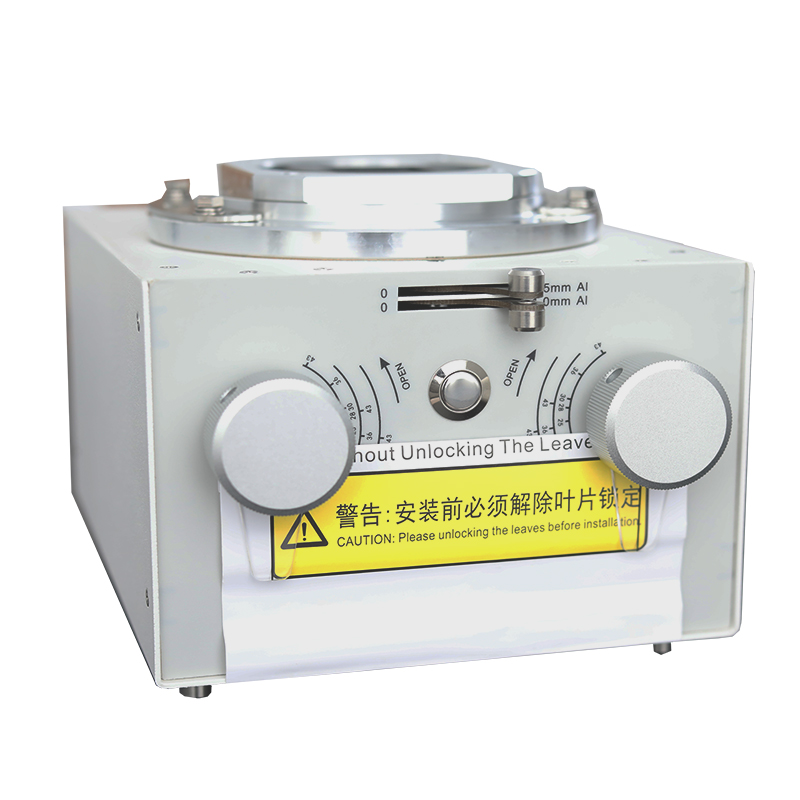
Post time: Jan-09-2026